Fall is the one season when a fescue lawn in Mint Hill can be rebuilt rather than just maintained. Summer heat, thunderstorms, and foot traffic thin fescue every year in the Piedmont transition zone. Aeration and overseeding in September and October use cooler nights, warm soil, and fall rain to put new grass in before winter. Skip that window and you spend the next year feeding a thin lawn that weeds are happy to fill.
Neglect here compounds quietly. Thin turf lets crabgrass and clover establish in spring. Bare soil erodes in heavy rain on red clay. Roots stay shallow because compacted soil blocks air and water. A lawn that looked tired in August can look patchy by the following June, and the repair then takes more seed, more water, and more patience than a timely fall reset would have needed.
Why the fall window works
Fescue is a cool season grass. It grows most actively when days are mild and nights are cool, which in this part of North Carolina means fall and early spring. Fall has a clear advantage: soil is still warm from summer, so seed germinates faster, while weed pressure is lower than in spring. New seedlings get several months of root growth before the next summer tests them. Spring seeding can work for small repairs, but seedlings often meet June heat before their roots are deep enough. That is why lawn services such as Malibu Landscaping and Lawn Service build their fescue calendar around the fall reset.
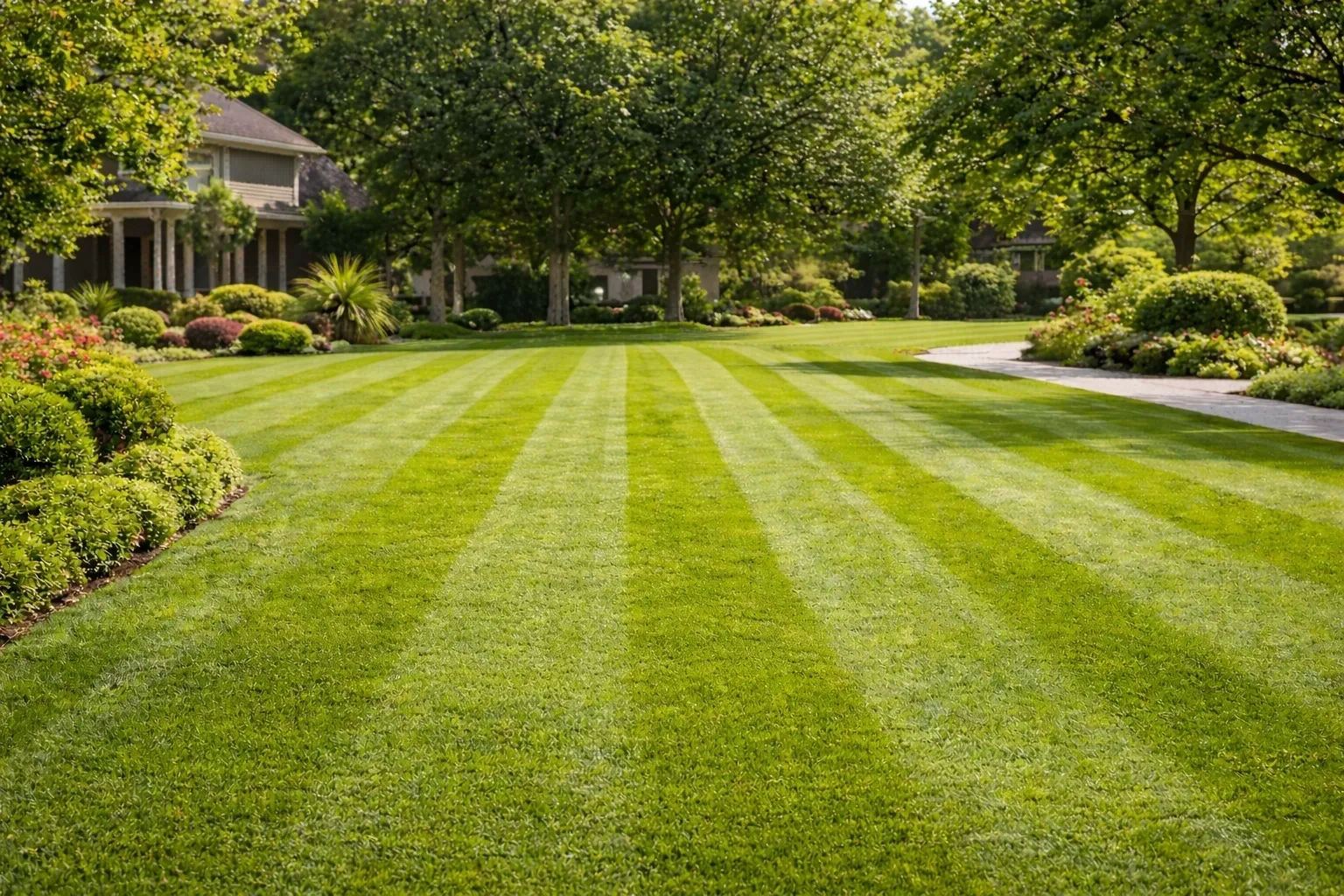
What aeration actually does
Core aeration pulls small plugs of soil from the lawn and leaves them on the surface to break down. The holes let air, water, and seed reach the root zone instead of running off compacted clay. In neighborhoods around Mint Hill, footpaths, mower traffic, and construction compaction are common reasons soil tightens up. Spike aeration pokes holes without removing cores and is less effective on clay, because it presses soil sideways. If your lawn feels hard underfoot in summer and water puddles after irrigation, core aeration is the version that addresses the cause. Plugs should be left in place; they carry soil microbes back into the holes as they crumble.
Overseeding, step by step in plain terms
Good overseeding starts with mowing a little lower than usual and clearing leaves and debris so seed can reach soil. Seed spread over thatch or leaves is wasted. After spreading, the seed needs consistent light moisture: the surface should stay damp through germination, which often means brief watering more than once a day in a dry fall, then a shift to deeper, less frequent watering as seedlings establish. Keep mower blades sharp and avoid heavy traffic on new areas. Germination for tall fescue commonly takes about one to two weeks in warm fall soil, with slower results as temperatures drop later in the season.
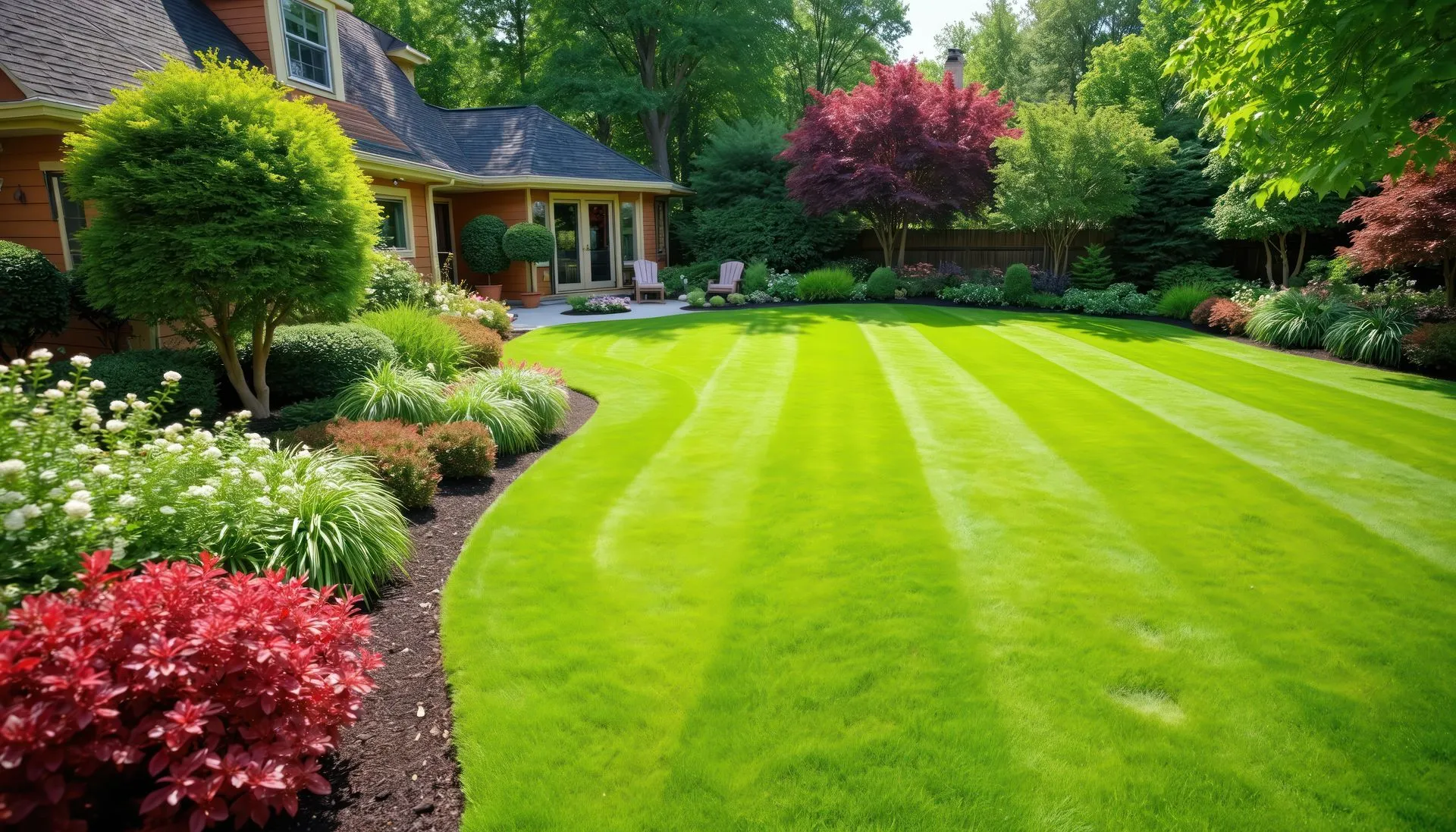
The cost of waiting another year
A missed fall does not just delay green color. Thin areas invite winter weeds that must be handled in spring, and spring weed control can conflict with spring seeding, forcing a choice between the two. Erosion on slopes worsens, and compacted soil gets harder as roots decline. By the second missed fall, many lawns need renovation rather than overseeding: more soil preparation, more seed, and closer watering supervision. The fall reset is therefore less about appearance in October and more about avoiding a larger rebuild the following year. Mark the window early, book the work before calendars fill, and have seed and watering ready when the nights cool.
Choosing seed and setting expectations
Use a tall fescue blend suited to the transition zone rather than a single variety, so disease or drought that hits one type does not take the whole lawn. Fresh seed matters: germination falls as seed ages and storage in a hot garage does it no favors. Expect a reset, not an instant carpet. Thin areas fill first, bare areas take longer, and the lawn often looks its best the following spring, after roots have had a full fall and winter to establish. Judge the work in May, not in the first two weeks.
Common questions
When exactly should I aerate and overseed in Mint Hill?
Mid September through October is the usual target for tall fescue in this area. Aim to finish early enough for seedlings to grow for several weeks before sustained cold arrives.
Can I overseed without aerating?
You can for small thin spots if seed makes solid contact with soil. For compacted clay lawns, seed without aeration germinates unevenly because much of it never reaches the root zone.
How often should new seed be watered?
Keep the seedbed lightly and consistently moist until germination, then water deeper and less often. The goal shifts from keeping seed damp to encouraging roots to grow downward.
Photos in this guide are representative stock images.
← All guides from Malibu Landscaping and Lawn Service← Back to Malibu Landscaping and Lawn Service