If you have never tried to read a lawn before, start with the weeds. They are not random. Each common weed in Mint Hill favors a condition, and that condition is a clue about soil, mowing, or water. Clover spreading in a thin patch, crabgrass along a hot driveway edge, and nutsedge in a low wet corner are three different messages. Learning to translate them turns weeding from a chore into a diagnosis.
This walkthrough is for a first timer. You need no tools beyond a notebook, a phone for photos, and a slow walk. Do it in the morning when dew shows footprints and low spots, and repeat it in different seasons, because the cast of weeds changes with temperature.
Step one: walk the lawn in zones
- Divide the yard into zones. Front, back, side strips, shaded areas under trees, and low corners each count as a zone. Weeds rarely spread evenly, and zone notes keep you from treating the whole lawn for a local problem.
- Photograph each patch before you touch it. Take one wide photo and one close photo of leaves and growth habit. A plant creeping flat with roots at the joints behaves differently from a clump grass or a sedge with triangular stems.
- Note the conditions in that zone. Is the soil bare, compacted, soggy, or shaded? Is the grass thin, scalped, or tall? Write the condition next to the weed name, because the pairing is the diagnosis.
- Identify the three common messengers. Clover often signals thin turf and low nitrogen. Crabgrass signals open soil, heat, and mowing too short. Nutsedge signals excess moisture and drainage that needs attention.
- Check the edges and hard surfaces. Crabgrass thrives where soil warms beside concrete and where string trimmers scalp the border. If weeds line every edge, the fix includes edging and mowing habits, not just treatment.
- Decide the response by zone. Feed and overseed thin clover areas in fall, raise mowing height for crabgrass pressure, and correct watering or drainage where nutsedge appears. Record what you did and recheck in a month.
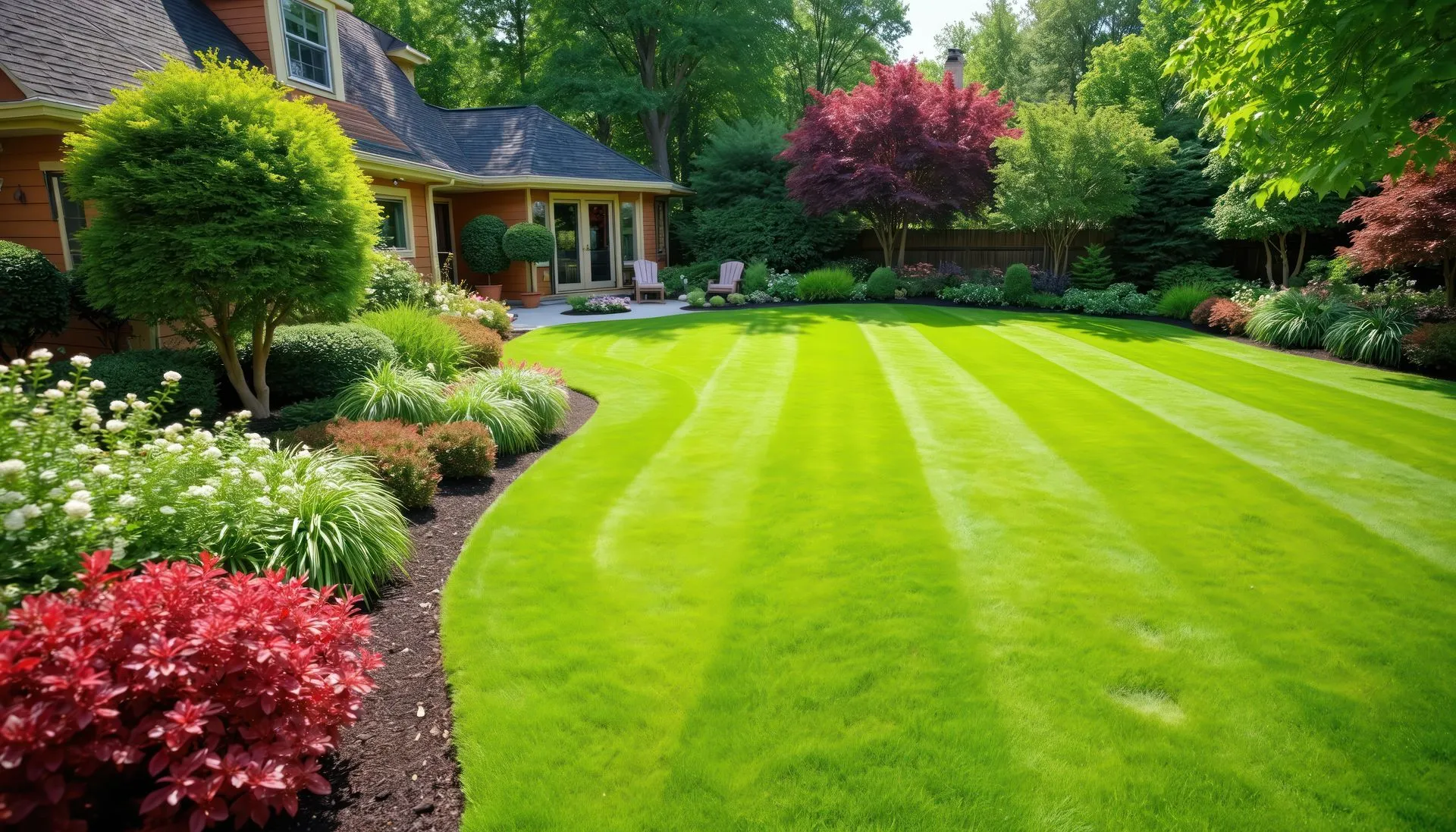
What the main messengers are saying
Clover is a legume, meaning it can take nitrogen from the air. It gains an advantage in lawns that are hungry and thin, filling gaps the grass leaves open. Its presence does not mean the soil is ruined; it means the turf needs density. Crabgrass is an annual that germinates when soil warms in late spring and grows flat, rooting at stem joints. It loves the exact spots created by scalping and bare soil. Nutsedge looks like grass but grows faster after mowing and has a triangular stem you can feel between your fingers. It returns from small tubers underground, which is why pulling it often leaves the problem behind.
Other messengers worth learning
Wild violet in shade often means the grass there is losing to low light, not that the soil is broken. Annual bluegrass showing in cool months points to bare, moist soil in fall. Dollar spot and brown patch are diseases rather than weeds, but they also carry messages about leaf wetness, nitrogen, and mowing with dull blades. The habit matters more than memorizing every plant: notice what grows where grass struggles, ask what condition favors it, and change the condition. Over a few seasons your eye improves, and the lawn needs fewer rescue treatments because the underlying messages get answered earlier, before a small thin patch becomes a full renovation project the following year.
From reading to acting
The mistake is reaching for a single product for every weed. A better sequence is condition first, plant second. Fix the mowing height, the watering pattern, or the thin turf, then handle the weeds that remain. Services such as Malibu Landscaping and Lawn Service read lawns this way because a weed map from spring predicts much of the summer workload. Keep your own map simple: zone, weed, condition, action, date. After one full year of notes, patterns become obvious, and you will spot a new low wet corner or a thinning shaded area before weeds announce it at full size.
Common questions
Does clover mean my soil is bad?
Not necessarily. Clover commonly points to thin turf and low nitrogen rather than ruined soil. Improving grass density in fall often reduces clover without chasing every patch.
Why does nutsedge come back after I pull it?
Nutsedge regrows from underground tubers and roots left behind when the top is pulled. Repeated pulling weakens it slowly, but correcting excess moisture and using targeted control works better.
When is the best time to walk and map weeds?
Late spring and mid summer show warm season weeds clearly, while fall shows where turf thinned. A short walk in each season gives a fuller picture than one inspection.
Photos in this guide are representative stock images.
← All guides from Malibu Landscaping and Lawn Service← Back to Malibu Landscaping and Lawn Service